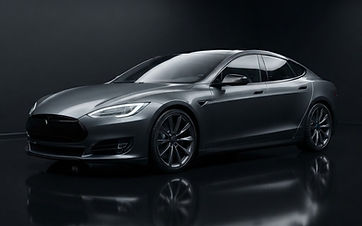
Musk did not found Tesla — Martin Eberhard and Marc Tarpenning did, in July 2003 — but he funded it, chaired it from February 2004, took the chief executive's job in October 2008, and has run it ever since. He put $6.5 million into the Series A round, and then kept the company alive in 2008 by putting in the last of his own money on Christmas Eve when the banks had stopped answering the phone.
What separates Tesla from every other car company is the order in which it built things, and that order is written down in his Master Plans: a $100,000 sports car paid for a luxury sedan, the sedan paid for a $35,000 car, and the cheap car paid for a factory network on three continents. In 2023 he costed the whole transition to renewable energy — about $10 trillion of manufacturing — and in 2025 he published a fourth plan in which cars are no longer the protagonist.
The cars and the plans are the same project. The Roadster's thrusters were built with SpaceX. The Gigafactories exist so batteries can be made at scale. And his 2025 award — approved by 75% of shareholders, worth up to $1 trillion, with no salary — is tied not to cars but to 20 million vehicles, a million humanoid robots, a million robotaxis and 10 million Full Self-Driving subscriptions.